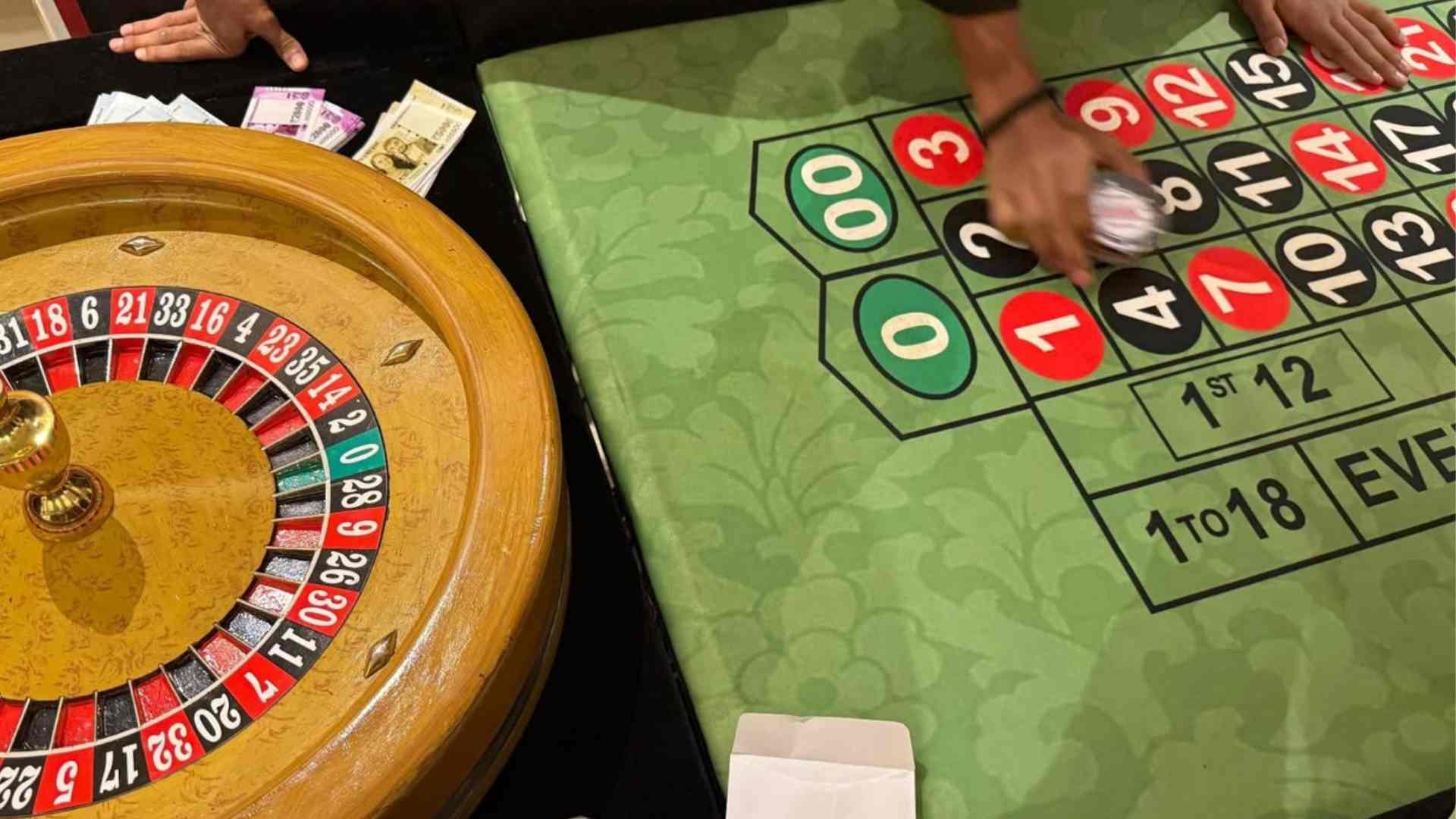
Few feelings in tabletop gaming match the sheer frustration of suffering through a persistent streak of poor dice rolls. While random chance builds excitement, consecutive failures can make players feel completely powerless despite making brilliant tactical choices. To combat this issue, contemporary game creators have introduced innovative mechanics designed to mitigate luck without stripping away the organic thrill of unpredictable outcomes.
The Evolution of Mitigation Tokens and Resources
One popular method modern designers employ involves awarding consolation resources whenever a player experiences an unfavorable roll. These tokens can later be spent to adjust numerical values, re-roll active dice, or trigger special fallback actions. By transforming a failed turn into immediate strategic currency, players remain actively engaged even when the physical odds work against them.
This safety net concept extends beyond traditional board games into digital systems and online platforms as well. Strategic gamers seeking smooth digital interfaces often check their account details via m88 login to access balanced gaming experiences. Providing player agency during moments of high variance ensures that tactical skill remains the primary driver of overall victory.
Implementing Input Randomness Over Output Randomness
Another major shift in contemporary game design is the movement from output randomness toward input randomness. In classic systems, players decide on an action and then roll dice to see if they succeed, which often leads to disappointment. Modern designs frequently flip this dynamic by having players roll their dice at the very start of their turn.
Once the dice pool is established, players utilize those specific numbers to draft actions, assign worker units, or activate abilities. This structure completely eliminates frustrating failure streaks because every number rolled offers a distinct strategic decision. Players focus on optimizing the tools they have been dealt rather than praying for a single outcome.
Dynamic Scaling and Adaptive Odds Mechanics
Some advanced systems incorporate dynamic odds adjustments that subtly scale success rates after consecutive misses. By utilizing weighted pools or progressive thresholds, the game mechanics ensure that bad luck cannot linger indefinitely across extended play sessions. Each failure incrementally increases the probability of success on subsequent attempts.
This mechanical balancing act protects the narrative momentum of a match while preserving a genuine sense of risk. Players can confidently pursue ambitious strategies knowing the game design actively prevents complete statistical anomalies from ruining their evening. As a result, matches remain competitive, fair, and deeply enjoyable for everyone at the table.
Designing Alternative Paths to Victory
Finally, modern board games frequently feature flexible victory paths that do not rely strictly on combat or high-value rolls. If a player finds their primary strategy stalled by cold dice, secondary objectives like resource gathering or spatial maneuvering offer viable alternatives. Having multi-layered win conditions keeps gameplay dynamic and highly rewarding.
Ultimately, eliminating bad roll streaks is about respecting player time and strategic investment. By incorporating fallback rewards, input drafting, and flexible systems, modern tabletop designers successfully preserve tension while delivering a balanced experience. These smart design philosophies mark an exciting new era for tabletop enthusiasts everywhere.