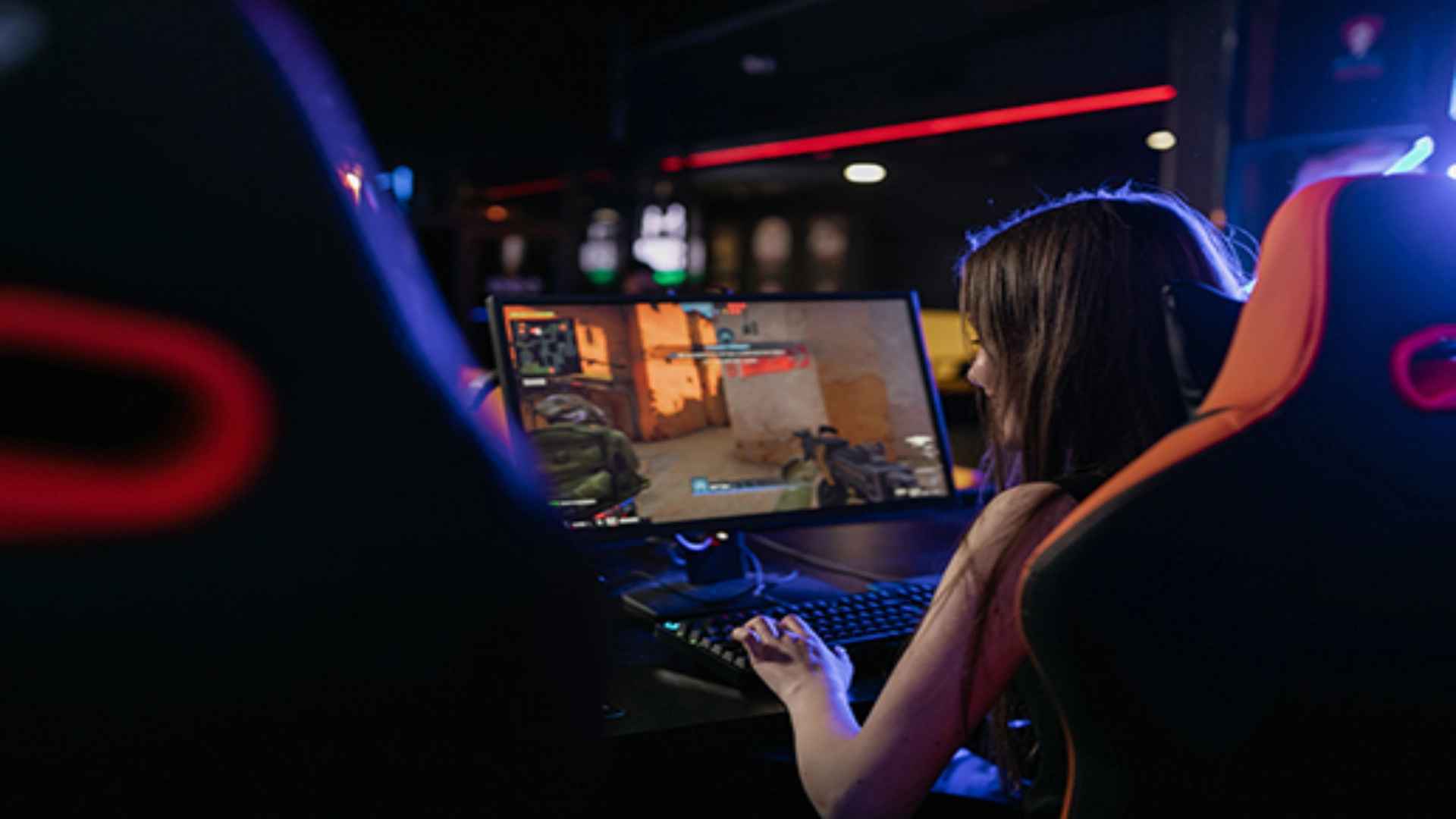
Stepping into a competitive matchmaking queue often brings a wave of performance anxiety that can severely hinder your decision-making and mechanical execution. Developing a resilient mindset is just as important as mastering character abilities or map layout strategies. By shifting your focus toward structured preparation and long-term personal growth, you can consistently maintain high self-assurance during intense matches.
Establishing a Consistent Pregame Routine
A reliable mental warm-up routine helps separate casual participants from elite players before the loading screen even appears. Spending a few quiet minutes reviewing your tactical goals or practicing basic inputs reduces unexpected stress significantly. This deliberate preparation ensures you enter the competitive ladder with a clear, focused mind instead of lingering doubts.
Physical readiness also plays a major role in shaping your overall in-game performance and execution stability. Ensuring your gaming environment is comfortable and free from external distractions allows you to maintain peak focus during long sessions. Taking control of these pregame variables builds a predictable foundation for steady competitive improvement.
Shifting Focus from Results to Performance
Fixating entirely on gaining or losing ranking points frequently triggers emotional instability and unwanted performance pressure. True competitive masters understand that individual matches are simply stepping stones toward comprehensive skill development over multiple seasons. Evaluating your performance based on execution quality rather than the final match outcome fosters a healthier competitive mindset.
When you prioritize personal growth, temporary setbacks lose their ability to derail your emotional composure on the battlefield. Analyzing specific positioning choices or resource management errors allows you to turn frustrating defeats into valuable strategic lessons. This gradual shift in perspective transforms the daunting ranked ladder into an engaging educational environment.
Managing In-Game Stress and Communication
Maintaining absolute composure during high-pressure team fights separates victorious squads from struggling competitors. When an unexpected disadvantage occurs, taking deep breaths and focusing on the immediate objective helps prevent emotional panic. Keeping your communication style practical, concise, and collaborative naturally reassures your teammates during chaotic moments.
A calm environment enables the entire team to coordinate defensive strategies and execute successful late-game comebacks. Avoid dwelling on early-game mistakes made by allies, as negative interactions quickly diminish collective confidence and team chemistry. Encouraging your group through constructive coordination keeps everyone aligned toward securing the final victory.
Embracing Adaptability and Self Review
True confidence does not mean expecting a flawless victory every time you join a match queue. Instead, genuine self-assurance comes from knowing you can adapt to unexpected enemy strategies and difficult character matchups. Embracing strategic flexibility allows you to remain highly effective even when your primary game plan is disrupted.
Conducting honest reviews of your gameplay replays after each session reinforces these positive habits over time. Identifying recurring mechanical patterns or macro-level oversight provides a clear roadmap for your daily training sessions. Tracking this incremental progress over a full season establishes an unshakeable sense of ranked confidence.