The physical appearance of the baccarat table has undergone a fascinating evolution, reflecting shifts in casino culture, player demographics, and technological innovation. What began as an intimate card game played on ornate wooden furniture in European salons has transformed into a highly engineered centerpiece on modern casino floors. Understanding how these distinctive table styles developed offers valuable insight into how gaming operators balance traditional luxury with operational efficiency.
The Grand Origins of European Salon Tables
In the early days of baccarat, the game was defined by exclusivity and stately presentation, requiring large kidney-shaped tables crafted from heavy hardwoods. These traditional setups were designed to accommodate up to fourteen players simultaneously, overseen by multiple croupiers who managed the physical movement of chips and cards with wooden paddles. The substantial size of the table created a sense of theatrical grandeur, separating high-stakes participants from casual onlookers.
The felt colors and padded armrests were selected to mimic elite private clubs, establishing a sophisticated environment where wealthy players could gather for long, deliberate sessions. This architectural presence remained standard for decades, cementing the game's reputation as a pastime reserved primarily for the aristocracy. The sheer scale of these tables ensured that each round felt like a significant event, prioritizing luxury over rapid game progression.
The Shift toward Accessibility and Mini Formats
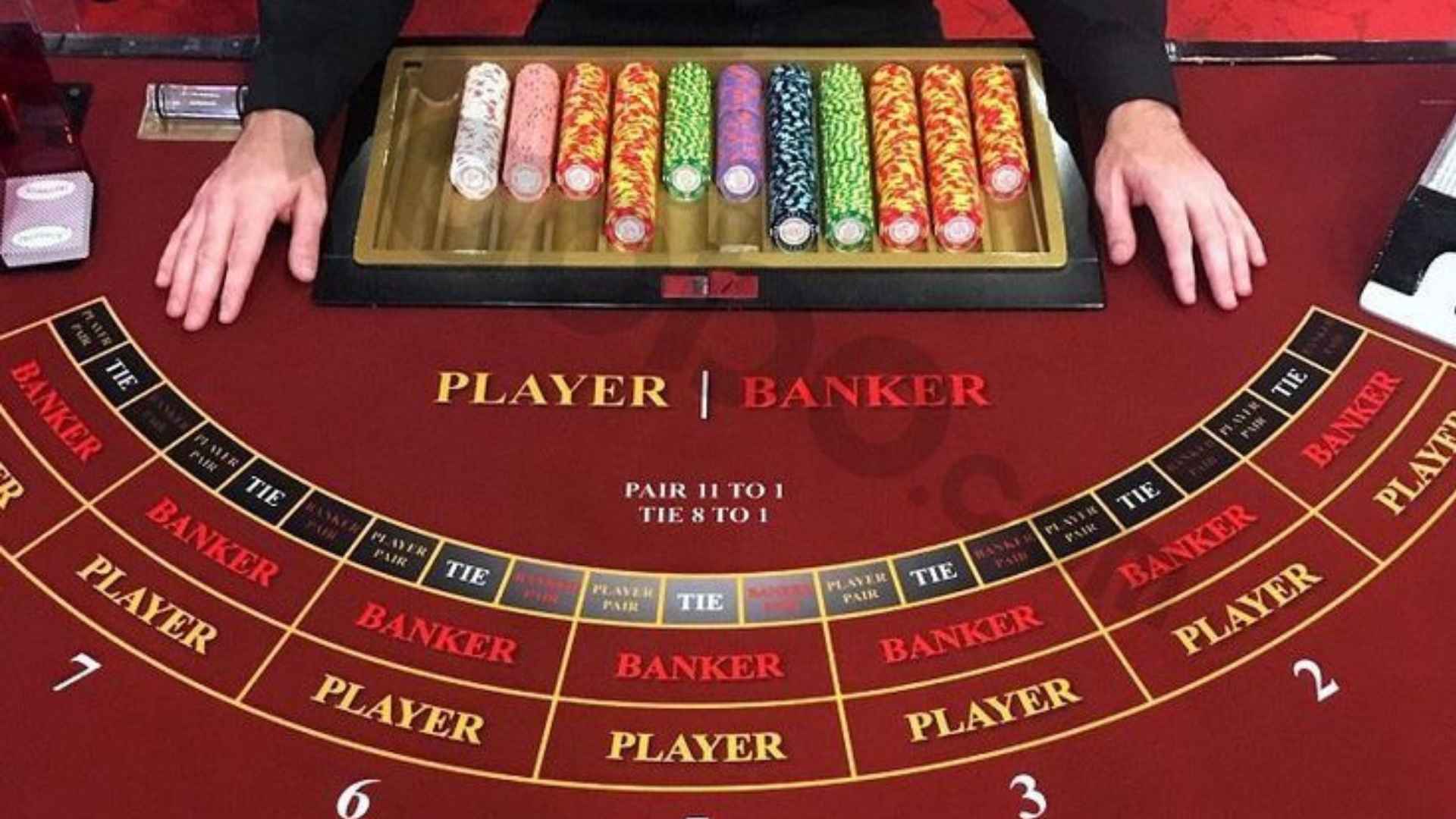
As the casino industry expanded globally during the mid-twentieth century, operators recognized the need to make baccarat more accessible to a broader audience. This realization led to the development of the mini-baccarat table, which completely redefined the footprint and atmosphere of the game. By reducing the table size to match a standard blackjack layout, casinos could place these games directly on the main gaming floor rather than hiding them in private rooms.
The streamlined design of mini tables eliminated the need for multiple dealers, allowing a single croupier to manage the entire process efficiently. This structural shift not only reduced operational overhead but also dramatically accelerated the pace of play. Casual enthusiasts who previously felt intimidated by the massive salon tables welcomed this informal setting, turning the game into a mainstream casino favorite. Prominent digital gaming brands like m88 have successfully translated these compact, fast-paced layouts into virtual environments for modern online audiences.
The Influence of Regional Aesthetics and Culture
As baccarat migrated to major Asian gaming hubs, table designs evolved further to align with localized preferences and superstitions. In many premium salons, tables were modified to include specialized digital screens that display complex historical results and pattern-tracking charts. The literal shape and seating arrangements were also optimized to allow players more physical space to squeeze or handle the cards during critical moments of suspense.
Furthermore, color palettes shifted away from traditional European greens toward deep reds and golds, which symbolize prosperity and good fortune in regional traditions. These aesthetic changes demonstrate how table architecture is rarely accidental; instead, every curve and visual element is tailored to enhance player comfort. Modern properties continue to customize their furniture to ensure that the physical layout matches the cultural expectations of their target market.
The Integration of Contemporary Technology
Today, the newest baccarat table styles blend traditional craftsmanship with advanced electronic infrastructure to maximize game security and speed. Many high-end tables now feature integrated RFID sensors beneath the felt that instantly scan cards as they are dealt from electronic shoes. This technology allows real-time data to be broadcast to overhead digital displays, keeping spectators informed while eliminating manual counting errors by the dealer.
Hybrid designs have also emerged, combining a physical dealer table with surrounding individual electronic betting terminals for dozens of players. This innovative layout preserves the classic human interaction of the card deal while allowing an unlimited number of participants to wager simultaneously. As casino floor dynamics continue to evolve, the appearance of the baccarat table will undoubtedly keep adapting to fulfill new entertainment trends.